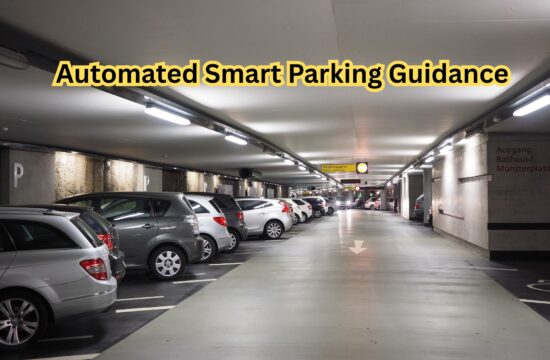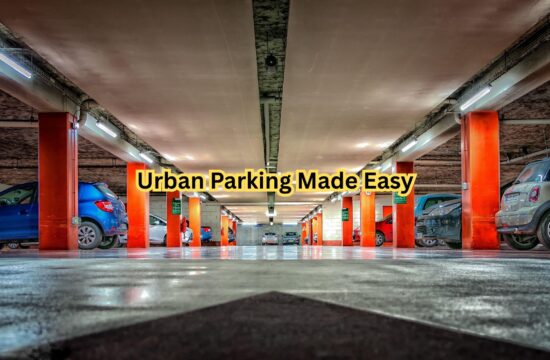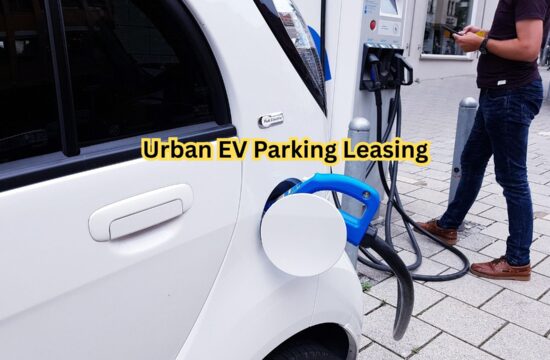
With the introduction of cutting-edge technology that enhances productivity, accuracy, and user experience, parking enforcement is quickly changing. Automated systems are replacing manual ones in cities and commercial businesses. These developments improve compliance, ease traffic, and simplify operations. Parking Enforcement Technology Trends play a crucial role in helping organizations stay updated. By understanding Parking Enforcement Technology Trends, businesses can modernize their strategies and remain competitive. Overall, Parking Enforcement Technology Trends are essential for future-ready parking solutions.
Automation and Smart Enforcement Systems
By lowering reliance on physical labor and decreasing errors, automation is revolutionizing parking enforcement. Sensors, cameras, and artificial intelligence are used by smart enforcement systems to identify infractions instantly. These systems automatically issue citations and alerts, improving efficiency. Enforcement teams can therefore concentrate on important duties while guaranteeing uniform surveillance throughout parking lots and urban areas.
License Plate Recognition (LPR) Technology
Modern parking enforcement increasingly relies heavily on license plate recognition technology. LPR systems provide smooth monitoring and enforcement by instantaneously scanning and identifying license plates. This lessens the requirement for manual inspections and tangible permissions. LPR increases compliance rates and streamlines the entire enforcement process for operators and municipalities with quicker processing and better accuracy.
Mobile-Based Enforcement Solutions
Enforcement officials now have real-time access to and control over data thanks to mobile technologies. Officers can rapidly issue citations, check permits, and gather evidence using smartphones or portable devices. These techniques cut down on paperwork while increasing efficiency. Additionally, mobile apps provide improved team communication, which improves the flexibility, responsiveness, and efficiency of enforcement operations in dynamic metropolitan settings.
Data-Driven Decision Making
Optimizing parking enforcement tactics is mostly dependent on data analytics. Organizations can make well-informed decisions by examining parking patterns, trends in violations, and user behavior. This aids in the distribution of resources, pricing tactics, and policy enhancements. Operators can forecast demand, lower infractions, and improve overall parking management efficacy with data-driven insights.
Integration with Smart City Infrastructure
Smart city systems are progressively incorporating parking enforcement technology. This covers platforms for urban planning, public transportation, and traffic management. Better coordination and real-time data sharing are made possible by such integration. Parking enforcement will be crucial to enhancing mobility, easing traffic, and promoting sustainable urban development projects as cities grow smarter.
Future Outlook of Parking Enforcement Technology
Parking enforcement’s future depends on ongoing innovation and digital transformation. Automation and accuracy will be further improved by cutting-edge technologies like AI, IoT, and machine learning. Systems will become more integrated and user-friendly as user expectations rise. Early adoption of these trends will provide businesses a competitive edge and improve parking experiences.